Surprising fact: Nearly one in four adults with diabetes will face peripheral neuropathy, a condition that can cause severe pain and numbness in hands and feet.
You don’t need fancy gear to ease that burning or tingling. This short guide shows clear, safe steps you can try today for pain relief and better nerve health. You’ll get simple routines, like warm baths and gentle movement, that may help your body send signals more smoothly.
We’ll explain what neuropathy means and what makes nerve signals misfire. You’ll learn when rest, positioning, or a short walk can reduce symptoms and when a doctor should step in. Practical tips cover dilution for essential oils, quitting smoking for improved circulation, and protecting against further nerve damage.
In short: you’ll leave with easy, everyday actions and clear ideas about treatments and when to seek medical support. Expect bite-sized steps that fit your routine and help you track progress toward real relief.
Understanding Inflamed Nerves, Peripheral Neuropathy, and Pinched Nerves
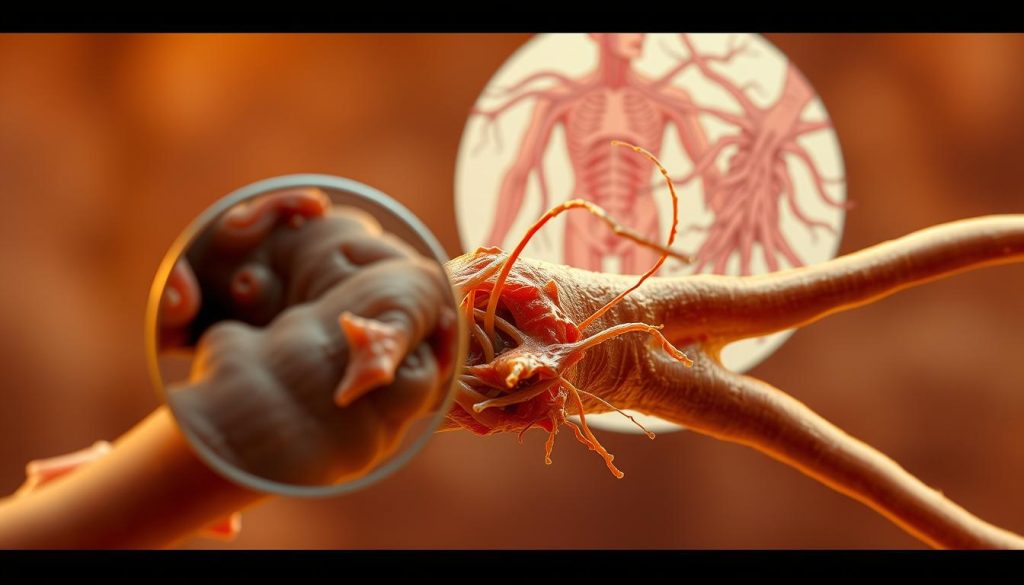
Peripheral nerves act like phone lines that carry messages between your brain and body; when those lines break, signals from the brain and spinal cord can scramble. Peripheral neuropathy happens when peripheral nerves suffer damage, altering sensation, movement, or automatic functions.
How signals get disrupted
Pressure, trauma, metabolic issues such as diabetes mellitus, alcoholism, and infections are common causes of nerve damage. Small injuries or chronic illness can slow or block messages, which creates odd feelings or loss of control in parts of your body.
Common symptoms
- Sensory: tingling, numbness, burning, sensitivity to touch, reduced temperature feeling.
- Motor: weakness, spasms, lower reflexes, trouble gripping with your hands.
- Autonomic: changes in blood pressure, heart rate, sweating, or bladder function.
“Even mild pressure in a tight spot, like the wrist or neck, can trigger sharp pain or strange sensations.”
| Condition | Common sites | Typical signs |
|---|---|---|
| Peripheral neuropathy | Feet, hands | Numbness, tingling, burning, balance changes |
| Radiculopathy (pinched nerve) | Neck, back, elbow, wrist | Sharp local pain, radiating discomfort, weakness in a limb |
| Autonomic nerve involvement | Whole body effects | Lightheadedness, sweating changes, bladder issues |
Knowing which nerves are affected helps match your symptoms with the right care steps and sets realistic expectations for recovery.
Safety First: When Home Care Is Enough and When to Call a Doctor
Some symptoms mean you should stop self-care and call a clinician right away—here’s what to watch for.

Red flags are clear: loss of bladder control, frequent dropping of objects, or a limb that suddenly gives out. Seek prompt care if you have any of these. They can signal serious nerve damage that needs urgent review.
What your clinician might do
If signs persist beyond a few days of rest and gentle care, get checked. Doctors may order MRI or CT imaging, or electromyography, to pinpoint the source and extent of damage.
- Most acute cervical pinched nerve problems improve within 8–12 weeks with conservative management.
- Possible treatment options include pain medications, corticosteroids, physical therapy, injections, or surgery for severe cases.
- In neuropathy, consult your clinician before starting supplements; control blood sugar and stop alcohol to avoid worsening nerve damage.
“Seeking care early for urgent signs protects function and often shortens recovery time.”
You’ll leave the visit with clear next steps. Keep a simple log of flare timing, factors that worsen pain, and what helps. That record helps your team act faster and keeps you informed about next steps.
How to Calm Inflamed Nerves Naturally
Small, steady steps at home can ease symptoms and help your daily function while nerve tissue recovers. These approaches focus on relief and better movement, not an overnight cure.
Set realistic expectations: many safe treatments—warm baths, gentle exercise, meditation, and acupuncture—aim for pain relief and improved function rather than reversing nerve damage. A simple treatment plan that layers sleep, movement, heat/cold, and ergonomics often works best.
- You’ll learn how consistent routines may also reduce flares and help reduce symptoms over time.
- Track tiny wins, like fewer night wakings, so progress feels real and motivating.
- Address contributors such as blood sugar, posture, or repetitive strain to protect against further nerve damage.
- Test one change at a time so you can spot what may also be helping or triggering symptoms.
When to reassess: try a clear timeline—two to four weeks for a fair trial. If pain and function do not improve, escalate care with your clinician.
“By focusing on relief and function, you can build a daily routine that supports life while healing continues.”
Prioritize Rest and Better Sleep to Support Nerve Healing
Good sleep and targeted rest give your body the best chance to repair irritated nerve tissue. Sleep supports healing, lowers pain signaling, and helps your muscles relax so you wake with less stiffness.
Positions that relieve pressure on the affected area
Sleeping with less pressure on the injured site often reduces pain and speeds comfort. Side-lying with a pillow between knees unloads the lower back and may help leg and back nerve pressure.
Simple pillow placements can support the spine and muscles so your body rests instead of guarding in pain.
- Neutral neck alignment: use a pillow that fits the curve of your neck.
- Lower back: pillow under knees when on your back or between knees on your side.
- Hands feet: consider a soft wrist splint if tingling wakes you at night.
- Elevate legs slightly for back-related discomfort to ease pressure and improve blood flow.
Bedtime habits that reduce pain sensitivity over time
Build a short wind-down: dim lights, gentle breathing, and a set sleep time. This routine may help lower overnight pain and steady your sleep-wake rhythm.
Small mattress or pillow changes can change pressure points and reduce symptoms. Avoid late caffeine and heavy meals that disrupt deep sleep.
- Keep a consistent wake time to help pain thresholds stabilize.
- Track a simple sleep log to spot which changes lead to better mornings and fewer flares.
“Rest is not passive—it’s part of recovery and protects function while healing continues.”
Use Heat, Ice, and Warm Baths to Improve Comfort and Blood Flow
Targeted temperature treatments can reduce pain and improve local blood flow around an affected area. Try brief, repeatable sessions and note which approach helps your nerve symptoms most.
Alternating cold and warm techniques
A simple contrast schedule is easy to test: 10 minutes of ice, then 10 minutes of gentle heat. Repeat once or twice and watch for changes in pain and stiffness.
- Cold quiets overactive signals and can reduce swelling.
- Warmth relaxes muscles and supports circulation, which may help mobility.
- Keep sessions short and frequent to avoid rebound irritation.
Warm bath and soak safety
Warm baths with Epsom salt are soothing, but if sensation is reduced, cap the water at a safe temperature and check it with an unaffected limb first. Dilute any essential oils—few drops per 1 oz carrier oil—before skin use.
“Small, careful temperature changes can ease symptoms and pair well with gentle movement afterward.”
| Method | Main benefit | When to avoid |
|---|---|---|
| Cold pack | Reduces swelling and sharp pain | Circulation problems or very stiff muscles |
| Warm pack | Improves blood flow and relaxes tissue | Fresh swelling or numb skin |
| Epsom salt soak | Soothed muscles, gentle circulation boost | Open wounds or impaired sensation without checking temp |
Gentle Movement: Stretching, Yoga, and Physical Therapy for Pain Relief
Small bouts of movement restore range and help your body manage flare-ups more reliably. Start with low-load actions that focus on mobility, not force. These moves ease tension in surrounding muscles and often help reduce pain without stressing the affected nerve.
Low-impact moves that lower symptoms
Choose walking, supported spinal mobility, and gentle yoga poses that emphasize slow movement and breath. A short warm-up and cool-down keep sessions safe.
Tip: a light stretch should feel easing. If you feel sharper pain, stop and rest.
Why deep pressure can worsen symptoms and what to do instead
Deep tissue pressure may aggravate irritated tissue and raise pain or nerve irritation. Opt for lighter manual therapy or guided therapy from a clinician trained in neuropathy care.
- Build range gradually with brief daily sessions rather than long, infrequent workouts.
- Use pacing to avoid boom-bust cycles and protect against further nerve damage.
- Consider targeted physical therapy for cues, safe progressions, and at-home drills you can repeat.
“Short, frequent movement snacks often help reduce discomfort more than a single long session.”
Ergonomics and Posture: Everyday Adjustments That Protect Your Nerves
Simple posture tweaks at your desk help keep pressure off irritated pathways and ease symptoms.
Workstation basics
Set monitor at eye level and keep elbows near 90 degrees. Support your lower back and rest feet on the floor or a footrest. These small changes make the desk area more forgiving and help reduce daily pain.
Splints, breaks, and leg elevation
Wearing a night splint is a standard treatment for wrist issues. A neutral wrist position eases pressure on the nerve and may cut numbness and tingling in the hands overnight.
Elevating legs after long sits takes load off the low back and can lower pain for people with back nerve irritation.
- Pick an ergonomic keyboard and mouse to lower wrist strain.
- Micro-breaks every 30–60 minutes keep tissues loose and reduce spikes of pain.
- Arrange cables and devices so reaching does not force your neck or shoulder forward.
| Adjustment | Main benefit | When to use |
|---|---|---|
| Monitor at eye level | Reduces forward head posture | Long computer sessions |
| Ergonomic keyboard/mouse | Lowers wrist strain and hand numbness | Typing or mousing many hours |
| Night splint | Keeps wrist neutral, eases tingling | Waking with numbness or pain |
| Leg elevation | Offloads low back, improves circulation | After prolonged sitting or standing |
“Small, consistent adjustments protect function and help reduce symptom spikes.”
Nutrients That Support Nerve Health: Vitamins, Minerals, and Supplements
Simple blood tests can reveal vitamin gaps that influence recovery from neuropathy and guide safer supplement choices.
Deficiencies linked with peripheral neuropathy often include B12, B1 (thiamine), B6, vitamin E, and copper. Low or high calcium and magnesium may also cause symptoms. Always check labs before adding supplements so your treatment matches real needs.
Key players and supportive options
What may help: alpha‑lipoic acid (ALA), acetyl‑L‑carnitine, gamma‑linolenic acid (GLA), magnesium, zinc, CoQ10, and vitamin D. These compounds have research backing and may also fit with your current medications, but that fit must be reviewed by your clinician.
Testing and talking points for your clinician
- Ask for B12, folate, B1, B6, vitamin E, copper, calcium, magnesium, and vitamin D levels.
- Bring a medicine list so your doctor can spot interactions and adjust dosing.
- Note changes in hands feet sensations when you start any supplement so progress is measurable.
Diet basics that help reduce inflammation
Focus on a Mediterranean-style pattern: more vegetables, whole grains, fish, legumes, nuts, and healthy fats. Limit processed sugar, excess alcohol, and heavy caffeine, which can worsen blood sugar swings and may increase nerve damage risk.
“Targeted nutrition plus testing gives you a safer path for managing neuropathy and may help reduce symptoms over time.”
| Nutrient / Supplement | Main benefit | When to test or avoid |
|---|---|---|
| Vitamin B12 | Supports myelin and nerve function | Test if numbness, tingling, or low levels suspected |
| Magnesium | Muscle relaxation, nerve signaling balance | Test both low and high levels; avoid excess if kidney disease |
| Alpha‑lipoic acid (ALA) | Antioxidant shown to reduce neuropathy symptoms | Discuss with doctor if on diabetes medications |
| Vitamin D | Bone and nerve support, immune balance | Test level; supplement under guidance if low |
Lifestyle Shifts That May Help Reduce Symptoms
Small lifestyle shifts can steady daily symptoms and support long-term nerve health.
Regular low-impact exercise supports weight control, lowers stress, and improves blood flow. Pick walking, swimming, or cycling so you build stamina without stressing a sensitive region.
Short daily sessions beat long, sporadic workouts. Modest weight loss plus better sleep often work together to ease pain and support the body’s healing.
Stop smoking and limit alcohol
Smoking narrows vessels and reduces oxygen delivery. Quitting improves circulation and may help reduce neuropathy signs over time.
Cutting back on alcohol lowers the risk of further nerve damage and helps therapy work better.
Simple stress skills that help
Brief breathing, short mindfulness breaks, or a relaxing hobby can lower stress and lessen pain intensity. Pair movement with light heat or ice after sessions to extend benefits.
- Choose low-impact activities that protect a sensitive area.
- Adjust on flare days: shorten sessions, rest, and resume gently.
- Use habit trackers or a walking buddy for consistency.
“Small, steady changes add up and often lead to clearer daily gains.”
| Shift | Main benefit | When to use |
|---|---|---|
| Low-impact exercise | Better circulation, less pain, weight control | Daily short sessions; avoid high-impact during flares |
| Smoking cessation | Improves blood flow and nerve function | Immediately; seek support programs |
| Limit alcohol | Reduces risk of further nerve damage | Cut back or avoid if neuropathy present |
| Stress skills | Lower pain intensity and improved coping | Use during flare days and daily |
Exploring Complementary Options: Herbal Topicals, Essential Oils, and Medical Cannabis
Topical capsicum products and select plant extracts offer targeted options for local nerve pain. These choices can expand your toolkit when you pair them with core treatment habits like physical therapy and good sleep.
Capsaicin creams and essential oil application tips
Capsaicin creams work by desensitizing overstimulated nerve endings. High-concentration patches are used for postherpetic neuralgia and painful diabetic neuropathy and may help localized pain.
For essential oils, always dilute. Use a few drops per 1 oz carrier oil and test a small area first. Watch for redness, burning, or blistering and stop use if the affected area reacts badly.
Medical cannabis: context, legality, and clinical guidance
Cannabis remains a Schedule I substance federally in the U.S., though many states allow medical programs. Product quality, dosing, and interactions with medications matter.
Talk with your clinician before trying cannabis-based therapy. They can advise on dosing, check interactions with other medications, and confirm whether it may also fit your overall treatment plan.
“Start any new topical or cannabis product with a short trial and log changes for 1–2 weeks to judge benefit.”
- Skin safety: test small areas, dilute essential oils, and stop if irritation appears.
- Technique caution: avoid deep tissue massage over an affected area; choose light manual methods or guided physical therapy.
- Integration: complementary options may also work alongside medications and lifestyle shifts but rarely replace core therapies.
| Option | Main use | Key precaution |
|---|---|---|
| Capsaicin cream/patch | Localized neuropathic pain relief | Initial burning; avoid open wounds; follow product instructions |
| Diluted essential oils (eucalyptus, lavender, bergamot, nutmeg) | Topical soothing, mild pain relief | Few drops per 1 oz carrier oil; patch test first |
| Medical cannabis (state programs) | Systemic pain relief and symptom control | Check legality, dosing, interactions with medications |
Final note: Track responses objectively—time of day, product used, and symptom change—so you and your clinician can judge what may help and what might cause harm.
Conclusion
Small changes every day often add up into real relief for people living with peripheral neuropathy or a pinched nerve.
You now have a clear plan that blends sleep habits, temperature work, gentle exercise, ergonomics, and targeted nutrition to help reduce pain and support nerve health. Use short trials and a simple log so you can spot useful changes over time.
Protect against further nerve damage by keeping blood sugars steady, limiting alcohol, quitting smoking, and checking labs before starting vitamins or other supplements. If numbness, spreading tingling, weakness, or new symptoms appear, pause and talk with a clinician about your treatment plan and medications.
Most pinched nerves improve with rest and time, and many people see steady gains when they layer these steps. Stay patient, track progress, and share notes with your provider so your nervous system gets the best support.
FAQ
What are common signs of peripheral neuropathy, pinched roots, or irritated nerves?
You may notice numbness, tingling, burning sensations, sharp or shooting pain, or muscle weakness in your hands or feet. Symptoms often appear in a stocking-glove pattern and can include balance issues, reduced reflexes, or decreased coordination. If you sense coldness, blotchy skin, or visible muscle wasting, mention those to your clinician.
When is home care okay and when should you see a doctor urgently?
Try conservative measures like rest, gentle movement, posture fixes, topical treatments, and addressing sleep. Seek urgent care if you lose bladder or bowel control, can’t hold objects, experience sudden severe weakness, new numbness spreading rapidly, fever with spine pain, or signs of infection. Those are red flags that need prompt medical evaluation.
Can noninvasive approaches actually reduce nerve inflammation and pain?
Yes. Simple steps—improving sleep, correcting ergonomics, gentle stretching, alternating heat and cold, and targeted physical therapy—often ease pressure, boost blood flow, and lower pain signals. These techniques focus on symptom relief and nerve recovery, though they may not reverse severe structural damage alone.
How should you use heat, ice, and warm baths safely if you have reduced sensation?
Limit ice sessions to 10–15 minutes with a thin barrier and check skin often. Use heat for 15–20 minutes at a comfortable temperature; avoid very hot water if sensation is impaired. For baths, keep water warm, not hot, and add Epsom salts if desired. Test temperatures with an unaffected area and ask someone to help if you can’t reliably feel heat.
What types of movement or therapy help without worsening symptoms?
Low-impact activities—gentle stretching, basic yoga poses, walking, and prescribed physical therapy—improve circulation and nerve mobility. Your therapist will avoid aggressive deep-tissue pressure near irritated nerves and focus on graded nerve glides, muscle strengthening, and range-of-motion work to prevent overload.
Are ergonomic changes really effective for nerve-related pain?
Yes. Simple workstation tweaks—raising your monitor, using an ergonomic keyboard or mouse, adjusting chair support, and changing posture frequently—can reduce chronic compression on cervical, thoracic, or lumbar roots and peripheral nerves in the wrist or leg. Splints, cushions, and leg elevation also offload irritated pathways.
Which vitamins and minerals support nerve health and healing?
Key nutrients include B12 and B-complex vitamins, vitamin D, magnesium, and antioxidants such as alpha-lipoic acid. These support myelin health, nerve signaling, and repair. Testing for deficiencies can guide targeted supplementation; always review doses with your healthcare provider to avoid interactions or excess.
What lifestyle changes can help reduce symptoms over time?
Regular low-impact exercise, maintaining a healthy weight, managing blood sugar, quitting smoking, and limiting alcohol intake protect circulation and nerve function. Stress reduction techniques—breathwork, mindfulness, and sleep hygiene—also lower pain sensitivity and improve recovery.
Can topical options or cannabis provide meaningful relief?
Topicals like capsaicin or menthol creams and selected essential oil blends may reduce local pain when used correctly. Medical cannabis can help some people with neuropathic pain, but legal status and effectiveness vary. Discuss dosages, formulations, and safety with your clinician before trying these options.
How long does it take to notice improvement with conservative care?
Mild irritation may improve in days to weeks with rest, ergonomics, and simple therapies. Persistent or structural causes can take months and may need combined approaches—physical therapy, nutrition, medication adjustments, or procedures. Track symptoms and follow up if you don’t see steady progress.