Could a few simple movements change how your feet feel and move each day? That question matters if you live with tingling, numbness, burning, or balance issues. These symptoms come from nerve damage and reduced circulation that make walking harder.
You’ll learn a clear plan that targets blood flow, eases pain, and steadies your steps. Small, safe routines boost circulation, strengthen support muscles, and help manage blood sugar in diabetes-related cases. Daily care—proper shoes, seamless socks, and routine checks—helps prevent unnoticed sores when sensation is low.
This guide shows mobility, strength, balance, and low-impact cardio you can do at home with minimal gear. You’ll get practical cues to listen to sensations, use a chair or countertop for support, and stop when pain or unusual signals arise.
Start small, stay consistent, and expect steady gains in comfort, balance, and quality of life.
Why exercise helps foot neuropathy today: blood flow, balance, strength, and glucose control
Simple movement can restore circulation, steady your step, and ease nerve-driven discomfort. Regular, gentle motion delivers oxygen and nutrients to peripheral nerves. That can reduce tingling and burning and soothe common neuropathy symptoms.
Exercise is one component of nerve care. Some people also research dietary supplements for nerve wellness, which we discuss in our NerveCalm review.
How movement supports nerve health
Increased blood flow feeds damaged nerves and surrounding tissue. Better circulation helps clear metabolic waste and supports healing.
Therapy-backed benefits you feel
- You boost blood flow and lower burning or numb sensations.
- Targeted strength builds ankle and midfoot support to fight muscle weakness and reduce gait pain.
- Balance work sharpens coordination and cuts fall risk, making daily tasks safer.
- Gentle stretching keeps joints flexible and prevents stiffness that can tug on sensitive nerve endings.
- For diabetes, short, regular activity helps regulate blood sugar levels and slow progression.
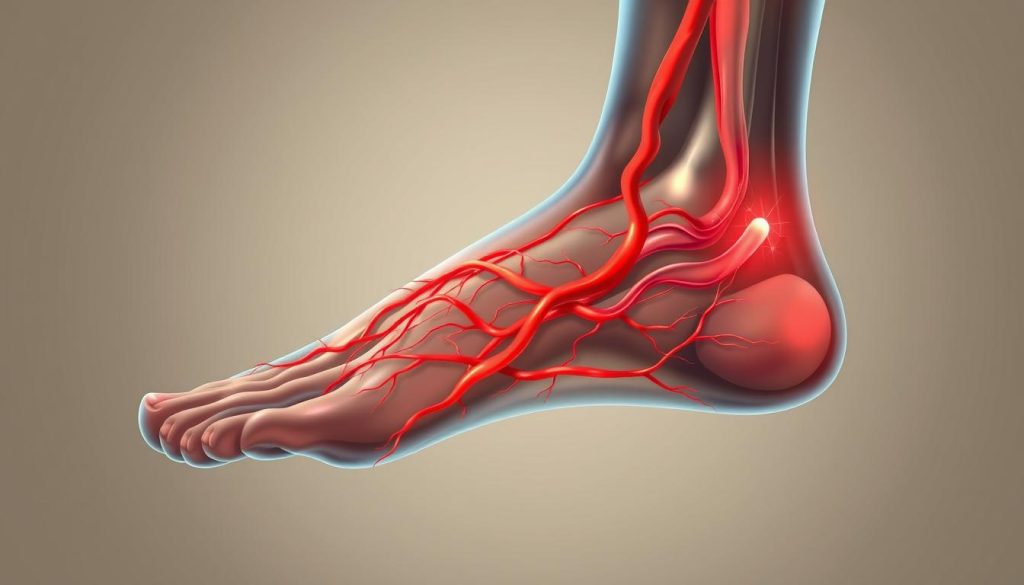
Combine strength, mobility, and balance in short sessions to protect joints and train your nervous system. Small steps, done consistently, produce real gains in comfort and overall quality of life.
Best exercises for neuropathy in feet
Small repeated motions help blood flow and sharpen how your leg and foot coordinate.
Gentle mobility and stretching
Begin seated with ankle rolls and “alphabet” writing. Move your ankle both directions or trace letters with your toes to boost circulation and warm tissues.
Sit tall at a chair edge and do the seated hamstring stretch: extend one leg, hinge forward 10–30 seconds, repeat 2–3 times per side.
Strength and stability builders
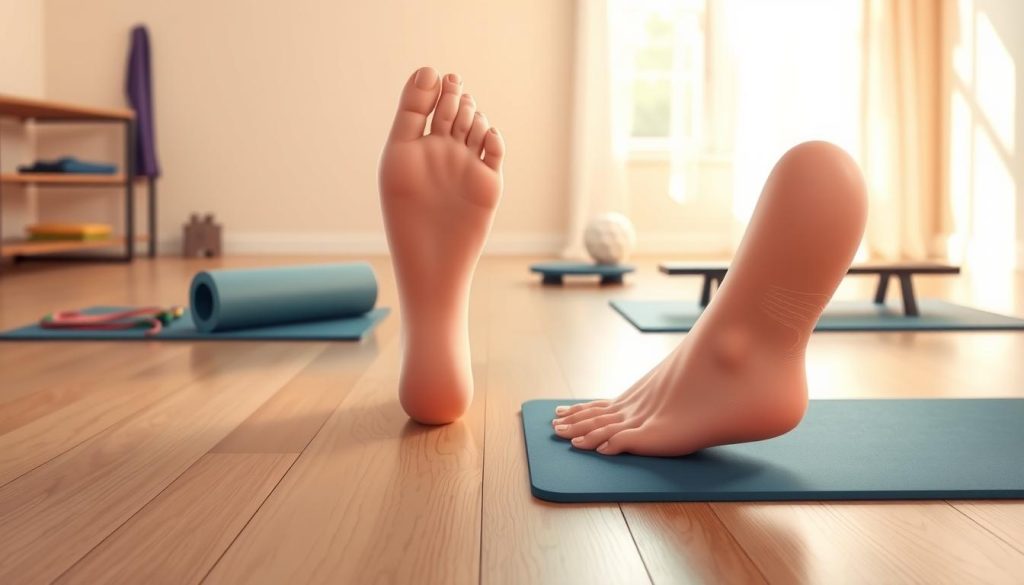
Do calf raises and toe-heel rocks (10–15 reps) to build lower-leg muscle and blood delivery. Start chair squats with 5 taps, then increase slowly.
Add side leg raises or marching to strengthen hips and improve balance and stability.
Balance and sensory retraining
Practice single-leg balance with support, holding 10–20 seconds per side. Roll your foot over a ball 2–5 minutes, then use a rice or beans bucket for 3–5 minutes of tactile work.
Finish with towel scrunches (5–10 reps) to wake intrinsic muscles and help arch support.
| Move | Reps / Time | Primary benefit | Tip |
|---|---|---|---|
| Ankle rolls / Alphabet | 1–3 minutes | Circulation, range of motion | Do seated, move both directions |
| Calf raises / Toe-heel rocks | 10–15 reps | Strength, blood flow | Use chair for balance |
| Single-leg balance | 10–20 sec per side | Stability, fall risk reduction | Keep support nearby |
| Foot rolling / Rice bucket | 2–5 min / 3–5 min | Soft-tissue massage, sensory retraining | Add hidden objects for challenge |
How to build your weekly plan and progress safely
Plan a weekly routine that balances mobility, strength, and short balance holds so progress feels steady and safe.
Starter template: Begin with 2–3 nonconsecutive days of strength (calf raises, chair squats, side leg raises). Add 3–5 days of mobility and stretching (ankle rolls, hamstrings, calves). Do daily brief balance holds of 10–20 seconds per side.
Frequency, sets, reps, and rest
Start light: 5–10 reps per move and 10–30 second stretches. Do 1–3 sets and rest as needed. Space strength days so muscles recover. Keep posture tall to protect your back and use a stable surface for support.
Progression cues
Increase gently: add 2–3 reps or extend holds by 5–10 seconds each week. Reduce fingertip support during one-leg drills as control improves. Add resistance, longer range, or extra sets only when form is steady and fatigue is minimal.
- Keep sessions short and consistent to manage symptoms and build momentum.
- Use the talk test to maintain aerobic flow during walking or cycling.
- Reassess every 2–4 weeks and track which moves give the best gains.
| Component | Frequency | Start volume | Progress cue |
|---|---|---|---|
| Strength (calf raises, chair squats) | 2–3 days/week | 5–10 reps, 1–3 sets | Add 2–3 reps/week or extra set |
| Mobility & stretch | 3–5 days/week | 10–30 sec holds | Increase hold 5–10 sec/week |
| Balance (one leg holds) | Daily | 10–20 sec per side | Reduce support, extend time |
Safety first: modify movements, listen to your body, and consult your provider
Put safety first: small changes to movement and gear cut risk and keep your progress steady.
Pay attention to warning signs and use practical steps to protect skin and nerves.
Red flags and when to stop
If you feel sharp or worsening pain, new numbness, or unusual burning sensations, stop immediately.
Seek guidance from your provider or a physical therapist when new symptoms appear. Do not push through sharp pain.
Protective gear, daily checks, and diabetes care
Wear supportive shoes and seamless socks to lower friction and blister risk during activity. Inspect tops, soles, between toes, and around the heel each day.
If you have diabetes, align sessions with meals and medications to keep blood sugar levels stable and reduce risk of harm.
Practical tips to reduce risk
- Use a sturdy surface for balance work and avoid slick floors.
- Keep reps slow and controlled; focus on alignment and support to limit strain on your back.
- If heel or low back irritation appears, shorten range, cut reps, or choose a gentler variation.
- Hydrate, warm up with light mobility, and schedule rest days between harder sessions.
When in doubt, stop and consult. A quick call to your clinician can prevent a small issue from becoming a serious problem.
Support that boosts results: physical therapy, custom orthotics, and routine care
Professional support can turn small gains into lasting improvements in daily comfort. Pairing guided care with practical devices helps protect sensitive tissue and makes movement easier to maintain.
How physical therapy tailors care to your symptoms
Physical therapy builds a plan that matches your symptoms, using graded loading, balance progressions, and pacing education.
Your therapist will adjust load, tempo, and support to protect nerves and grow strength safely. They teach when to rest and when to advance.
Custom orthotics: shock absorption, stability, and comfort
Custom inserts redistribute pressure, add cushioning, and improve alignment. Better alignment helps muscles work efficiently and reduces pain during standing and walking.
Combined with circulation-focused routines and routine checks, orthotics make sessions more tolerable and consistent.
- A tailored plan targets mobility, balance, and strength in the right sequence.
- Orthotics add stability and reduce pressure on sensitive spots.
- Routine foot care—nail trimming, skin checks, proper shoe fit—preserves tissue health.
| Support | Main benefit | When to use |
|---|---|---|
| Physical therapy | Graded progress, better control | When you need tailored pacing |
| Custom orthotics | Stability and shock absorption | When pressure or pain is common |
| Routine care | Protects skin and circulation | Daily checks and shoe review |
Combined approach reduces flare-ups, helps you improve quality life, and supports steady gains as muscle and nerve control improve.
Habits and triggers that can worsen foot neuropathy
Certain daily habits quietly speed nerve decline and raise symptoms. Spotting and changing these triggers helps protect nerve health and day-to-day life.
High blood sugar, smoking, and alcohol: why they aggravate nerve damage
Elevated blood sugar levels accelerates nerve damage over time. If you have diabetes, steady glucose control is essential to slow decline.
Smoking and heavy alcohol use reduce circulation and harm nutrition. That makes nerve health worse and can raise pain discomfort and numbness.
Tight shoes, prolonged standing, and medication side effects to watch
Tight footwear or socks compress soft tissue and create hot spots that lead to persistent pain discomfort.
Long periods of standing increase pressure on sensitive areas of the feet and forefoot. Take seated breaks and rotate shoe types.
Some medications cause new neuropathy symptoms. Review any recent prescriptions with your provider if new signs appear.
Practical steps
- Track personal triggers—shoes, surfaces, tasks—and adjust to reduce risk.
- Rotate cushioned, well-fitted shoes and use anti-fatigue mats at work.
- Keep light daily movement to limit deconditioning and muscle weakness.
| Trigger | Effect | Action |
|---|---|---|
| High blood sugar | Speeds nerve damage, worsens neuropathy symptoms | Maintain glucose targets; consult your care team |
| Smoking / Alcohol | Impaired circulation and nutrient loss | Seek cessation support and reduce intake |
| Tight shoes / Prolonged standing | Pressure, hot spots, increased pain discomfort | Use well-fitted shoes; take regular seated breaks |
| Medications | New or worse neuropathy symptoms | Review meds with your provider promptly |
Conclusion
A short, balanced routine can help you move with less pain and more confidence each day.
Stick with small mobility, strength, balance, and light cardio sessions to manage symptoms and support long-term gains.
Use ankle mobility, calf and hamstring stretching, towel scrunches, chair squats, marching, and supported single-leg holds as a compact plan. Add 15–30 minutes of easy walking or cycling to boost circulation and blood flow.
If pain returns, scale back range or swap to gentler options. Pair home work with physical therapy when you need tailored progression or to protect your back, heel, and ankle mechanics.
Start today, track what helps, and reassess in two weeks. With patience and steady practice you can improve quality life — steadier balance, stronger muscles, and fewer setbacks in daily conditions.
FAQ
How can gentle movement help nerve damage and reduce pain?
Gentle movement increases blood flow to nerves and muscles, which helps deliver oxygen and nutrients that support repair. It also improves joint mobility and balance, reducing fall risk and easing discomfort. You should start slowly, focus on controlled range-of-motion, and progress as symptoms permit to protect weakened muscles and coordination.
Which activities boost circulation without stressing joints?
Low-impact options such as walking, stationary cycling, and water aerobics raise heart rate and circulation while lowering joint load. Tai Chi and gentle yoga also enhance coordination and calm the nervous system. Aim for short, consistent sessions most days to support blood flow and sensory recovery.
What should you do if you feel increased numbness or sharp pain during a session?
Stop the activity immediately and rest the limb. New or worsening numbness, pins-and-needles, or sharp pain are red flags that require prompt evaluation. Contact your healthcare provider or physical therapist to adjust your plan and rule out complications.
How often should you practice balance and strengthening routines?
Begin with brief daily sessions focused on balance and mobility, and add strength work three times per week. Use low resistance and more repetitions at first, then gradually increase sets, time, or load when you can complete sessions without increased pain or instability.
Can targeted foot and ankle drills improve stability if you have one weak leg?
Yes. Single-leg support with hand or chair assistance builds proprioception and strength on the affected side. Pair those drills with hip and core work to improve overall alignment and reduce compensatory strain on the back and opposite limb.
Are tactile activities like rolling a ball or using a rice bucket helpful?
Tactile stimulation can retrain sensory pathways and wake up intrinsic foot muscles. Rolling a small ball under the arch or scooping rice with your toes improves sensation, circulation, and foot control when performed gently and progressively.
When should you get professional help from physical therapy or orthotics?
See a physical therapist if pain limits daily tasks, you have frequent falls, or you need a tailored progression. Custom orthotics help correct alignment, absorb shock, and protect sensitive areas. Both interventions speed functional gains and safety.
How do blood sugar and lifestyle choices affect symptoms?
High blood sugar, smoking, and excessive alcohol accelerate nerve damage and delay recovery. Managing glucose levels, quitting tobacco, and limiting alcohol improve nerve health and enhance the benefits of your movement plan.
What footwear and daily routines help prevent injuries?
Choose supportive shoes with wide toe boxes, cushioned soles, and seamless socks to reduce pressure points. Perform daily foot checks for cuts, blisters, or color changes, and keep skin moisturized but not between toes to lower infection risk.
How long until you notice improvement in symptoms and quality of life?
Many people notice better balance, reduced stiffness, and improved circulation within a few weeks of consistent practice. Pain and sensory recovery vary; meaningful changes in strength and function often take 8–12 weeks with regular, progressive work and medical management of underlying conditions.