Written by: Jane Smith
Medically Reviewed by: Dr. James Collins, MD Specialist in Internal Medicine
Last Updated: February 6, 2026
Important disclosure: This article is for educational purposes only and does not diagnose, treat, cure, or prevent any disease. Some links on this page may be affiliate links, which means we may earn a commission if you choose to purchase through them. That does not change our editorial process, product selection criteria, or scoring methodology.
Peripheral neuropathy can have multiple causes, including diabetes, vitamin deficiencies, thyroid disorders, alcohol-related nerve damage, autoimmune disease, infections, and medication side effects. Because the underlying cause matters, anyone experiencing persistent tingling, numbness, burning, weakness, or nerve pain should seek medical evaluation rather than rely on supplements alone.
Introduction
Nerve discomfort can affect daily life in ways that are easy to underestimate. For some people, it begins with occasional tingling in the feet or hands. For others, it becomes a more persistent problem involving burning sensations, numbness, sharp shooting pain, balance problems, or increased sensitivity to touch. Over time, these symptoms may interfere with sleep, walking, exercise, work, and overall quality of life.
Peripheral neuropathy is not a single condition but a broad term for damage or dysfunction affecting the peripheral nerves. These nerves carry signals between the brain, spinal cord, and the rest of the body. When they are irritated or damaged, symptoms can vary widely depending on the cause and the nerves involved.
Many people with neuropathy look into supplements because they want additional support beyond symptom-focused treatment. That interest is understandable. Some nutrients and compounds have been studied for their roles in oxidative stress, nerve metabolism, myelin maintenance, and nerve signaling. At the same time, the supplement market is crowded, marketing claims are often exaggerated, and not every formula is built around ingredients with meaningful human evidence.
This guide takes a more cautious approach. Instead of focusing on hype, we looked at ingredient quality, formulation logic, dosage transparency, safety considerations, manufacturing credibility, and overall consumer clarity. We also distinguish between evidence for an ingredient and evidence for a finished commercial product, because those are not the same thing.
Who this guide is for
This guide may be useful for adults who:
are researching supportive options for mild to moderate nerve discomfort
want to compare formulations more critically
are interested in ingredients such as alpha-lipoic acid, methylcobalamin, benfotiamine, acetyl-L-carnitine, magnesium, or PEA
want a more transparent explanation of how supplement rankings were determined
This guide is not a substitute for medical diagnosis. It is especially important to speak with a healthcare professional first if symptoms are new, worsening, one-sided, associated with weakness, linked to chemotherapy, or occurring in the setting of diabetes.
What Are Neuropathy Supplements?
Neuropathy supplements are dietary products intended to support aspects of nerve health. Depending on the formula, they may contain vitamins, antioxidants, amino acid derivatives, fatty acid compounds, minerals, or botanical extracts.
These products are generally marketed toward people with symptoms such as:
tingling
numbness
burning sensations
nerve sensitivity
mild shooting pain
lower-extremity discomfort
The goal of these supplements is usually not to “cure” neuropathy. More often, they are intended to support normal nerve metabolism, reduce oxidative stress, help maintain myelin integrity, or promote healthier nerve signaling.
That distinction matters. A supplement may support biological processes related to nerve function without reversing established nerve injury. Results can vary substantially depending on the underlying cause. For example, a person with diabetic neuropathy, a person with B12 deficiency, and a person with chemotherapy-induced neuropathy may all have different needs and different responses.
How We Evaluated the 7 Products
Because this is a health-adjacent category, we used a conservative framework. Products were not ranked on testimonials alone, and we did not assume that longer ingredient lists were automatically better.
Our evaluation criteria
Our evaluation criteria
 Ingredient evidence
 Ingredient evidence
We gave higher marks to formulas featuring ingredients with meaningful human research related to nerve health or neuropathic symptoms, particularly:
- alpha-lipoic acid (ALA)
- methylcobalamin (vitamin B12)
- benfotiamine
- acetyl-L-carnitine (ALCAR)
- magnesium
- palmitoylethanolamide (PEA)
Botanical ingredients were considered, but formulas relying mainly on traditional herbs without stronger human neuropathy evidence were scored more cautiously.
Dosage Transparency
 Dosage Transparency
 A supplement’s effectiveness depends not only on ingredient selection but also on dosage accuracy and transparency. Products that clearly disclose ingredient amounts, avoid undisclosed proprietary blends, and provide labeling consistent with established safety ranges scored higher. Transparent labeling allows consumers and healthcare professionals to assess whether dosages align with those studied in research.
Formula Design
 Formula Design
We looked for formulas that made sense together. A good supplement does not just contain interesting ingredients; it combines them in a way that is coherent, non-redundant, and appropriate for the condition being discussed.
Safety and risk awareness
 Safety and risk awareness
We considered whether the formula raised concerns related to:
- excessive vitamin B6
- blood sugar effects
- anticoagulant interactions
- stimulant-like ingredients
- unclear labeling or exaggerated claims
Manufacturing and quality signals
 Manufacturing and quality signals
We reviewed available information related to GMP manufacturing claims, quality control language, company transparency, and overall product credibility.
Consumer protections
 Consumer protections
Refund policies and customer support do not prove clinical effectiveness, but they do matter when comparing products in a crowded market. We treated them as secondary factors, not primary evidence.
What our rankings do and do not mean
These rankings are not medical effectiveness ratings. They are editorial comparisons based on publicly presented formula design, transparency, safety context, and ingredient-level evidence. A product can rank well as a supplement formula even if there is no direct clinical trial on that exact finished product.
Quick Comparison Table: Best Nerve Supplements at a Glance
Product | Best For | Key Ingredients (Highlighted) | Guarantee | Overall Score* |
|---|---|---|---|---|
Nerve Calm | Overall nerve health support & daily neuropathy symptoms | Corydalis Yanhusuo, Prickly Pear, Marshmallow Root, Ashwagandha | 180-Day Money-Back | 19/20 |
NeuroGenica | Overall nerve health support & daily neuropathy symptoms | B Vitamins, Alpha-Lipoic Acid, Antioxidant Complex | 180-Day Money-Back | 17/20 |
Nervovive | Peripheral nerve support & long-term nerve maintenance | Botanical nerve-support blend, Antioxidant extracts | 180-Day Money-Back | 16/20 |
Arialief | Sciatic nerve discomfort & inflammation-related pain | Turmeric, L-Carnitine, Magnesium, Butcher’s Broom | 180-Day Money-Back | 16/20 |
Sciatilief | Sciatic nerve pain & circulation support | Magnesium Glycinate, Alpha-Lipoic Acid, L-Carnitine, Turmeric | 180-Day Money-Back | 17/20 |
Nerve Fresh | General neuropathy symptoms & antioxidant support | Passion Flower, Prickly Pear, Botanical extracts | 60–180 Day Guarantee (varies by seller) | 15/20 |
Nervion | Budget-conscious nerve support option | Multi-ingredient herbal blend | 180-Day Money-Back | 14/20 |
*Scores reflect internal evaluation criteria including ingredient evidence strength, formulation transparency, safety considerations, and consumer policy standards.
How to read this table
Readers focused on evidence-backed nutrient support may want to start with formulas emphasizing ALA, B12, benfotiamine, acetyl-L-carnitine, or magnesium.
Readers looking for a more botanical approach may still find some options appealing, but should understand that herbal blends often have weaker neuropathy-specific evidence than more established nutrients.
For people managing diabetes, chemotherapy history, thyroid disease, or known deficiencies, product choice should not begin with marketing claims. It should begin with medical context.
Our Top 7 Picks Reviewed


4.8/5

1. Nerve Calm – Best Overall for Comprehensive Nerve Support
Overview
Nerve Calm is formulated as a broad-spectrum nerve support supplement designed to address common neuropathy-related symptoms such as tingling, burning sensations, and nerve discomfort. Its formula emphasizes botanical extracts traditionally used for calming nerve irritation and supporting healthy inflammatory responses. Rather than focusing on a single vitamin or antioxidant, Nerve Calm uses a multi-ingredient approach aimed at supporting overall nerve balance and long-term comfort.
The product is manufactured in the United States and offers an extended refund policy, which may provide additional reassurance for first-time users. Its positioning is centered on holistic nerve wellness rather than rapid symptom suppression.
Key Ingredients & Scientific Rationale
Nerve Calm includes ingredients such as Corydalis Yanhusuo, Prickly Pear, Marshmallow Root, and Ashwagandha. Corydalis has been studied for its interaction with pain signaling pathways, although evidence is still emerging in neuropathy-specific contexts. Botanical extracts in this category are often evaluated for their anti-inflammatory and calming properties.
While Nerve Calm does not heavily emphasize high-dose alpha-lipoic acid (ALA) or methylcobalamin (B12), some of its plant-based components may indirectly support inflammatory balance. In neuropathy research, ALA is studied for reducing oxidative stress, which can damage nerve cells, while B12 plays a critical role in maintaining the myelin sheath — the protective coating around nerves. Magnesium, often included in nerve-support formulas, supports normal nerve conduction by regulating electrical signaling.
Although Nerve Calm leans toward botanical nerve-calming support rather than aggressive antioxidant dosing, its formulation reflects a multi-pathway strategy.
Pros
Cons
Who It’s Best For
Individuals with general tingling or nerve discomfort
Those preferring plant-based formulas
Users seeking long-term nerve wellness support
 Read our full in-depth review of Nerve Calm.


4.8/5
2. NeuroGenica – Best for Burning and Tingling Sensations
Overview
NeuroGenica is positioned toward individuals experiencing burning, tingling, or metabolic-related nerve discomfort. The formula includes several nutrients commonly studied in peripheral neuropathy research, particularly antioxidants and B vitamins.
It aims to support nerve signaling, protect against oxidative damage, and assist overall nerve maintenance.
Key Ingredients & Scientific Rationale
NeuroGenica emphasizes B vitamins and antioxidants. Vitamin B12 (methylcobalamin) is widely recognized for its role in maintaining myelin sheath integrity and supporting nerve repair processes. Deficiency in B12 has been strongly linked to neuropathy symptoms.
Alpha-lipoic acid (ALA), often included in nerve-support formulas, has been studied in diabetic neuropathy for its antioxidant properties. It may reduce oxidative stress and improve nerve blood flow. Acetyl-L-Carnitine, another commonly studied compound, supports mitochondrial energy metabolism within nerve cells.
Together, these ingredients reflect mechanisms investigated in clinical settings, particularly for diabetic peripheral neuropathy.
Pros
Cons
Who It’s Best For
Diabetic neuropathy
Burning sensations in feet
Individuals seeking vitamin-based nerve repair support\
Read our full in-depth review of NeuroGenica.


4.8/5
3. Nervovive – Best for Peripheral Nerve Maintenance
Overview
Nervovive is designed as a daily nerve support formula emphasizing plant extracts and nerve-supporting compounds. It focuses on peripheral nerve function and long-term maintenance rather than short-term symptom relief.
Key Ingredients & Scientific Rationale
While ingredient specifics vary by batch, Nervovive includes herbal extracts traditionally associated with inflammation modulation and circulation support. In neuropathy research, oxidative stress reduction and improved microcirculation are key mechanisms.
Compounds such as ALA help combat free radical damage to nerve cells. Magnesium contributes to stable nerve conduction by regulating calcium influx in nerve fibers. Botanical compounds may support overall inflammatory balance, though human neuropathy data for some herbs remains limited.
Pros
Cons
Who It’s Best For
General nerve maintenance
Early-stage neuropathy symptoms
Individuals preferring herbal blends
Read our full in-depth review of Nervovive.


4.8/5
4. Arialief – Best for Sciatic Nerve Discomfort
Overview
Arialief is specifically positioned toward sciatic nerve pain and lower back-related nerve discomfort. Its formulation emphasizes anti-inflammatory and circulation-supporting ingredients.
Key Ingredients & Scientific Rationale
Turmeric (curcumin) is known for its anti-inflammatory and antioxidant effects. In nerve-related research, inflammation modulation is an important factor in symptom management.
Magnesium plays a role in muscle relaxation and nerve conduction. Acetyl-L-Carnitine supports nerve metabolism and mitochondrial energy production. Butcher’s Broom is traditionally used for circulation support, which may influence nerve oxygenation.
While sciatic nerve pain differs from diabetic neuropathy, ingredients aimed at reducing inflammation and improving circulation may support symptom management.
Pros
Cons
Who It’s Best For
Sciatic nerve discomfort
Lower back-related nerve pain
Inflammation-related nerve irritation
Read our full in-depth review of Arialief.


4.8/5
5. Sciatilief – Best for Sciatic Pain with Antioxidant Support
Overview
Sciatilief combines nerve-support vitamins with antioxidants commonly studied in neuropathy research. It bridges the gap between sciatic positioning and metabolic nerve support.
Key Ingredients & Scientific Rationale
Alpha-lipoic acid (ALA) has been studied extensively for diabetic neuropathy due to its ability to reduce oxidative stress and improve nerve blood flow.
Magnesium Glycinate supports nerve conduction and muscle relaxation. Acetyl-L-Carnitine contributes to nerve cell energy metabolism. Turmeric provides antioxidant support.
This combination reflects multiple mechanistic pathways: oxidative stress reduction, metabolic support, and inflammation modulation.
Pros
Cons
Who It’s Best For
Sciatic pain
Burning feet
Individuals seeking antioxidant-focused formulas
Read our full in-depth review of Sciatilief.


4.8/5
6. Nerve Fresh – Best for Botanical-Based Nerve Comfort
Overview
Nerve Fresh emphasizes plant-derived ingredients and calming extracts. It is positioned for individuals seeking natural, non-synthetic approaches to nerve comfort.
Key Ingredients & Scientific Rationale
Botanical extracts such as Passion Flower and Prickly Pear are traditionally associated with calming properties. While human neuropathy trials are limited, some plant compounds may influence inflammatory signaling pathways.
Unlike formulas centered on ALA or B12, Nerve Fresh leans more toward herbal nerve support.
Pros
Cons
Who It’s Best For
Mild tingling
Individuals preferring botanical formulas
Early symptom management
Read our full in-depth review of Nerve Fresh.

4.8/5
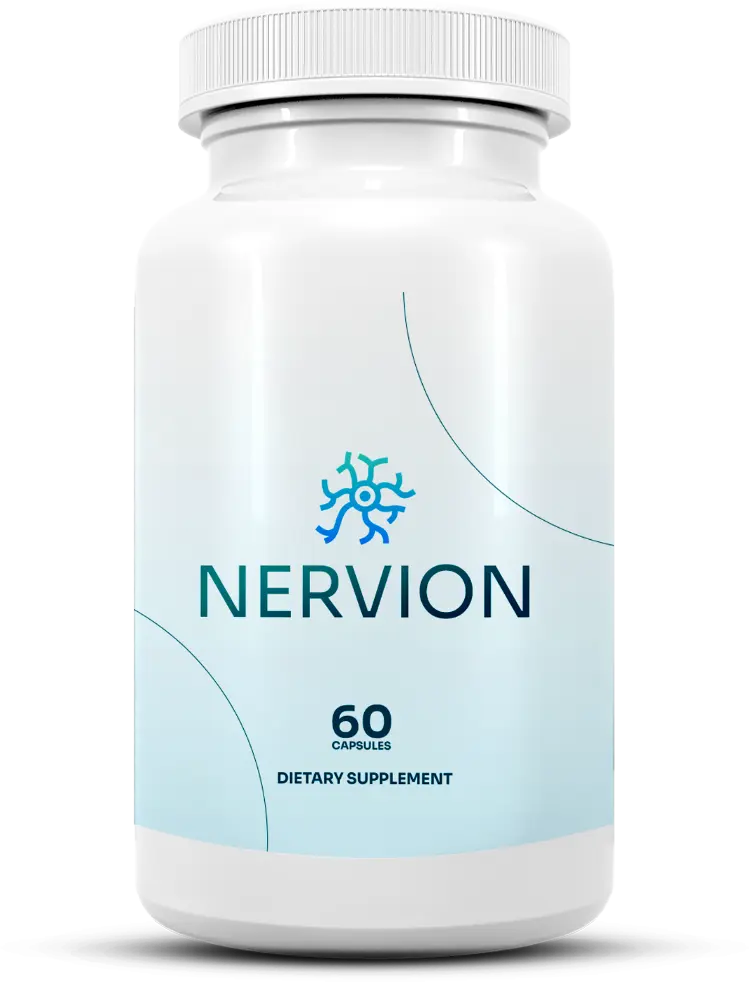
7. Nervion – Best Budget-Friendly Option
Overview
Nervion is positioned as an affordable nerve support formula with a multi-ingredient herbal blend.
Key Ingredients & Scientific Rationale
The formula includes plant extracts commonly used for calming and circulation support. However, compared to formulas emphasizing ALA, methylcobalamin, or acetyl-L-carnitine, Nervion’s ingredient profile may lean more traditional than clinically studied.
While herbal components may support inflammatory balance, strong neuropathy-specific human trials are limited for some ingredients.
Pros
Cons
Who It’s Best For
Budget-conscious buyers
Mild nerve discomfort
First-time supplement users
Read our full in-depth review of Nervion.
Evidence-Based Ingredients for Nerve Support
Alpha-Lipoic Acid (ALA)
ALA is one of the most discussed compounds in diabetic neuropathy support because of its antioxidant role. It has been studied for reducing oxidative stress and supporting nerve blood flow and metabolic function. Some studies have reported improvements in symptoms such as burning, pain, or numbness, though results vary by dose, duration, and study design.
Vitamin B12 (Methylcobalamin)
B12 is essential for myelin maintenance and nerve signaling. In people with deficiency, supplementation can be especially important. It is one of the most relevant nutrients to evaluate when neuropathy is suspected, particularly in older adults, people taking metformin, and those with absorption issues.
Benfotiamine
Benfotiamine is a more bioavailable derivative of vitamin B1 and is often discussed in diabetic nerve support because of its role in glucose-related metabolic stress. It is generally better viewed as a long-term supportive ingredient than a fast-acting one.
Acetyl-L-carnitine (ALCAR)
ALCAR is involved in mitochondrial energy production and has been studied in some nerve-related settings, including diabetic and chemotherapy-associated neuropathy. Evidence is mixed but promising enough that it remains a relevant ingredient to watch.
Magnesium
Magnesium supports nerve signaling and muscle relaxation. It is not one of the strongest stand-alone neuropathy ingredients, but it can complement broader formulas, especially when muscle tension or cramps are also present.
Palmitoylethanolamide (PEA)
PEA is increasingly discussed in pain and inflammation support. While not as universally included as ALA or B12, it is a noteworthy compound because of its role in pain-pathway and inflammatory modulation.
Safety Considerations
Even well-formulated supplements can be inappropriate in certain situations.
Talk to a healthcare professional before use if you:
- have diabetes and take glucose-lowering medication
- take blood thinners or antiplatelet medications
- are undergoing chemotherapy
- are pregnant or breastfeeding
- have liver, kidney, or thyroid disease
- are taking high-dose B-complex products already
Important cautions
Vitamin B6 excess
Too much vitamin B6 over time can itself contribute to neuropathy. That makes label review especially important.
Alpha-lipoic acid and blood sugar
ALA may affect blood glucose. People with diabetes should be especially careful and use it under professional guidance.
Botanicals and interactions
Ingredients such as turmeric and certain circulation-support herbs may not be appropriate for everyone, particularly alongside anticoagulants or other medications.
Who May Consider a Nerve Supplement?
A supplement may be worth discussing with a clinician if you fall into one of these groups:
People with diabetes
Supplements may be considered as supportive tools, but they do not replace blood sugar control, foot care, or medical management.
People with confirmed nutrient deficiencies
If B12 or thiamine deficiency is contributing to symptoms, correction of that deficiency may be more important than taking a general “nerve support” formula.
People with mild chronic nerve discomfort
Some readers with persistent tingling or burning may want a structured way to evaluate ingredient options while they work with a healthcare professional.
People recovering from certain treatments
Some compounds have been studied in chemotherapy-related neuropathy, but supplementation in that setting should always be guided by the treating medical team.
Frequently Asked Questions (FAQ)
Final Verdict
Choosing the right nerve supplement depends less on marketing claims and more on understanding your specific needs, underlying health status, and ingredient priorities. While no supplement can replace medical evaluation or serve as a cure for neuropathy, certain formulations may offer supportive benefits when used responsibly as part of a broader health plan.
Best Overall: Nerve Calm
For individuals seeking a comprehensive, multi-ingredient formula with a strong refund policy and broad nerve support positioning, Nerve Calm stands out as the most balanced option in this comparison. Its botanical blend and long satisfaction guarantee make it a practical starting point for those experiencing general nerve discomfort.
Best for Diabetic Neuropathy: NeuroGenica
Because diabetic neuropathy is strongly associated with oxidative stress and metabolic dysfunction, formulas emphasizing nutrients like alpha-lipoic acid and vitamin B12 may align more closely with research-backed mechanisms. NeuroGenica’s ingredient profile reflects this targeted approach, making it a reasonable consideration for those managing diabetes—under medical supervision.
Best for Sciatic Pain: Sciatilief (with Arialief as a close alternative)
For individuals experiencing sciatic nerve discomfort, formulas incorporating magnesium, anti-inflammatory compounds, and antioxidant support may be more relevant. Sciatilief’s combination of ALA, magnesium glycinate, and supportive nutrients positions it well for this category.
Best Budget Option: Nervion
For those exploring nerve supplements for the first time or prioritizing affordability, Nervion offers a simpler formulation at a lower entry cost. While it may not emphasize the most extensively studied ingredients, it can serve as an introductory option for mild symptoms.
Ultimately, the “best” supplement is the one that aligns with your health profile, symptom pattern, and professional medical guidance. Before starting any nerve support product, consult a qualified healthcare provider to determine the underlying cause of symptoms and ensure safe use alongside any medications.
Informed decisions, realistic expectations, and consistency are key when considering nutritional strategies for nerve health.

About the Author:
Jane Smith is the Founder & Head Researcher at NerveVim.com. She is a health researcher and science communicator who specializes in analyzing peer-reviewed studies, ingredient profiles, and real-world user feedback related to nerve health supplements.
Jane is not a medical doctor. All health-related content published on NerveVim is medically reviewed by licensed physicians for accuracy and safety. View all articles by Jane Smith About NerveVim