Written by: NerveVim Editorial Team | Medically Reviewed by: Dr. James Collins, MD — Specialist in Internal Medicine | Last Updated: April 11, 2026
 Affiliate Disclosure: This article contains affiliate links. If you purchase through our links, NerveVim may earn a commission at no extra cost to you. This financial relationship does not influence our editorial conclusions. Our reviews follow strict editorial independence guidelines. [Read our full editorial policy →]
 Written by: Jane Smith Medically Reviewed by: Dr. James Collins, MD Specialist in Internal Medicine Last Updated: February 6, 2026
Quick Summary
NerveCalm (also written as "Nerve Calm") is a plant-based dietary supplement marketed for nerve comfort, relaxation, and nervous system wellness. After analyzing 100+ real user reports and reviewing available ingredient research, our team found that results are genuinely mixed: some users report gradual improvements in comfort and sleep quality after consistent use, while others experience minimal changes — particularly those expecting fast, pain-killing effects. Side effects appear generally mild. Scientific evidence supports individual ingredients rather than the complete formula.
Bottom line: NerveCalm is a legitimate wellness supplement with realistic but modest expectations. It is not a medication and should not replace medical care for serious nerve conditions.
Quick Review Summary | |
|---|---|
Detail | Information |
Product Name | |
Category | Nerve‑support / relaxation dietary supplement |
Form | Capsules |
Intended Use | Nerve comfort, relaxation, sleep quality, nervous system balance |
Key Ingredients | Corydalis Yanhusuo, Marshmallow Root, California Poppy Seed, Prickly Pear (Opuntia Phaeacantha), Passionflower Extract |
Stimulants | None |
Habit-Forming | No |
Manufacturing | GMP-certified, FDA-registered facility |
Money-Back Guarantee | 180-day satisfaction guarantee (terms apply) |
Availability | |
Our Rating | 4.4 / 5 |
How We Reviewed NerveCalm
To prepare this NerveCalm review, our editorial team evaluated the supplement from several angles: ingredient research, product-claim transparency, safety considerations, refund-policy clarity, and recurring patterns in real-world user feedback.
We focused especially on the difference between ingredient-level evidence and product-level proof. Some ingredients used in NerveCalm have traditional use or early research related to relaxation, discomfort modulation, antioxidant support, or nervous system balance. However, we did not find large, independent human clinical trials testing the complete NerveCalm formula itself.
Our review process included:
Ingredient analysis: We reviewed the main botanical ingredients used in NerveCalm, including Corydalis yanhusuo, marshmallow root, California poppy, prickly pear cactus, and passionflower.
Safety review: We considered possible side effects, groups who should be cautious, and potential herb-drug interaction concerns.
User-experience review: We looked at recurring themes from consumer discussions and supplement review patterns, including positive experiences, complaints, refund concerns, and common expectation gaps.
Buying-policy review: We checked availability, official-site positioning, refund-policy claims, and concerns related to purchasing from third-party sellers.
Marketing-claim review: We compared common promotional claims with the level of evidence currently available.
Our goal is not to present NerveCalm as a cure or medical treatment. Instead, this review is designed to help readers understand what the supplement may realistically support, where the evidence is limited, and who should speak with a healthcare professional before using it.
What Is NerveCalm Supplement?
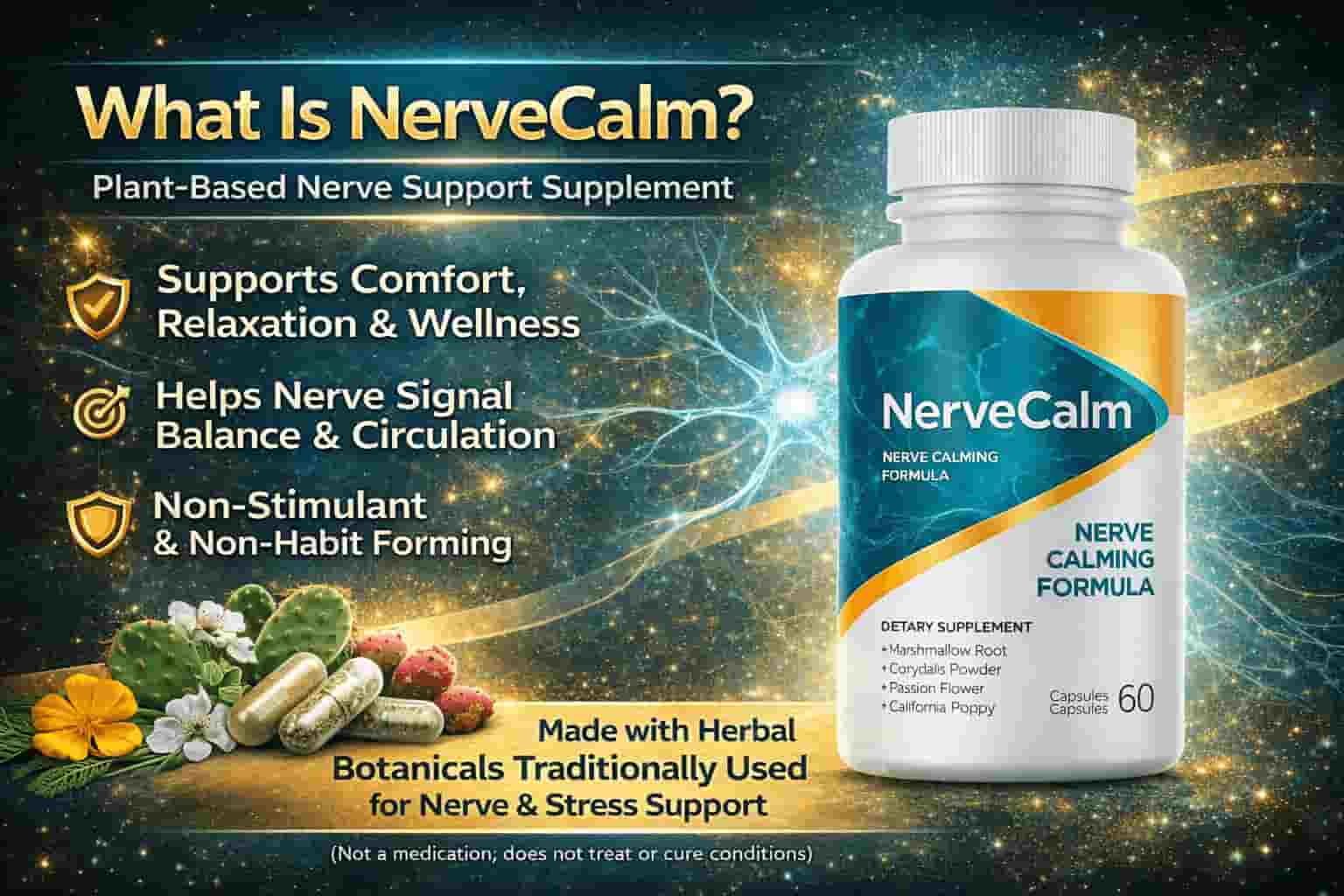
NerveCalm
is a natural dietary supplement formulated to support nerve comfort, relaxation, and overall nervous system wellness.
It is designed for adults seeking a non-stimulant, non-habit-forming approach to everyday nerve sensitivity, stress-related tension, and long-term nerve wellness as part of a balanced lifestyle.
People searching for "nerve calm reviews," "nervecalm side effects," or "does nervecalm work" are typically researching the same product. NerveCalm is commonly explored by individuals experiencing age-related nerve discomfort, stress-associated tension, reduced mobility, or sleep disturbances linked to nervous system imbalance.
Rather than functioning as a medication or pain treatment, NerveCalm aims to provide nutritional and botanical support for biological processes involved in normal nerve function.
Important: NerveCalm is not a drug and is not intended to diagnose, treat, cure, or prevent any disease.
Important Safety Note Before Using NerveCalm
NerveCalm is a dietary supplement, not a medication. It is not intended to diagnose, treat, cure, or prevent neuropathy, nerve damage, diabetic nerve pain, sciatica, or any other medical condition.
You should speak with a qualified healthcare professional before using NerveCalm if you:
Are pregnant or breastfeeding
Take prescription medications, especially sedatives, anxiety medication, blood pressure medication, diabetes medication, or blood thinners
Have diagnosed peripheral neuropathy, diabetic neuropathy, unexplained numbness, burning pain, or muscle weakness
Have liver, kidney, heart, or neurological conditions
Are scheduled for surgery or medical treatment
Have known sensitivity to herbal supplements
Are expecting fast pain relief from a supplement
Seek medical attention promptly if you experience worsening numbness, severe burning pain, loss of balance, weakness, unexplained swelling, or symptoms that interfere with daily function.
NerveCalm may be more appropriate for adults looking for general nerve wellness, relaxation, and mild everyday nerve comfort support — not people seeking urgent or pharmaceutical-grade pain relief.
Prefer to Watch? See the NerveCalm Review Below!
How NerveCalm Is Positioned
NerveCalm is positioned as a whole-system nerve wellness supplement rather than a short-term pain reliever. Unlike products that rely primarily on high-dose B vitamins or stimulant compounds, it combines plant-based ingredients traditionally associated with:
- Balanced nerve signaling
- Circulation support to nerve tissues
- Antioxidant cellular protection
- Relaxation and nervous system calm
This multi-botanical approach appeals to adults seeking gradual, lifestyle-friendly support rather than fast symptom masking. Many users combine NerveCalm with healthy habits such as regular movement, stress management techniques, and consistent sleep routines for best outcomes.
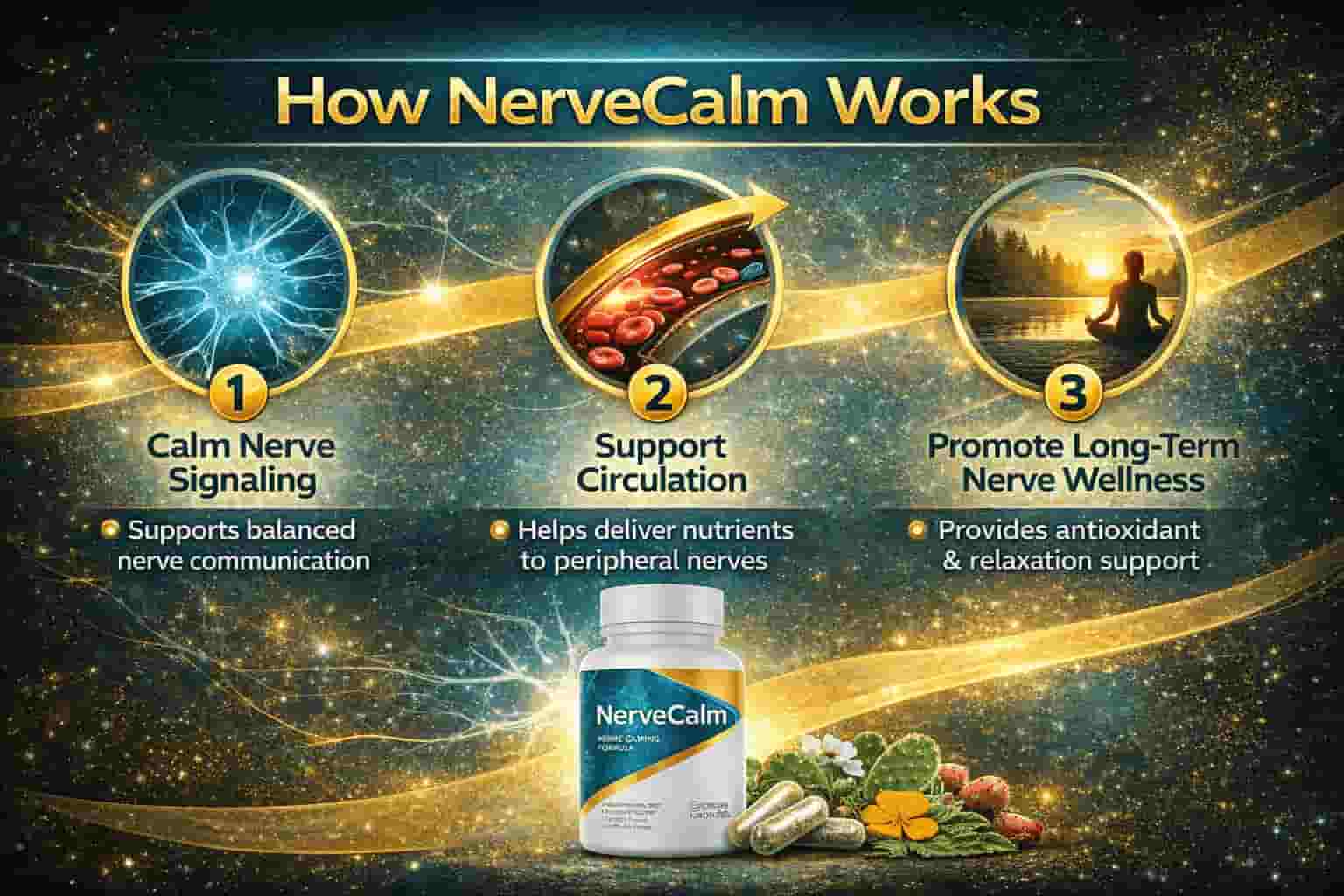
How NerveCalm Works
NerveCalm is designed to support nerve wellness through four complementary mechanisms:
1. Supports Balanced Nerve Signaling: Certain botanical compounds in the formula may help modulate nerve communication associated with everyday discomfort and sensory sensitivity, based on traditional use and limited preclinical data.
2. Supports Circulation to Nerve Tissues: Healthy blood circulation helps deliver oxygen and nutrients to peripheral nerve tissues. Impaired circulation is one factor commonly associated with nerve discomfort, particularly in extremities.
3. Provides Antioxidant Support: Oxidative stress has been studied as a contributing factor to nerve tissue sensitivity over time. Antioxidant-rich botanicals in the formula aim to support cellular wellness and reduce oxidative burden.
4. Promotes Relaxation and Nervous System Balance: Several ingredients in NerveCalm have a documented traditional use in supporting sleep onset and reducing stress-related nervous system overstimulation.
These effects are intended to build gradually over consistent daily use — not to provide immediate or acute relief.
Key Ingredients in NerveCalm
NerveCalm uses a blend of plant-based ingredients with traditional use and varying levels of scientific study. It is critical to note that most available evidence applies to individual ingredients in isolation, not to the complete NerveCalm formula.
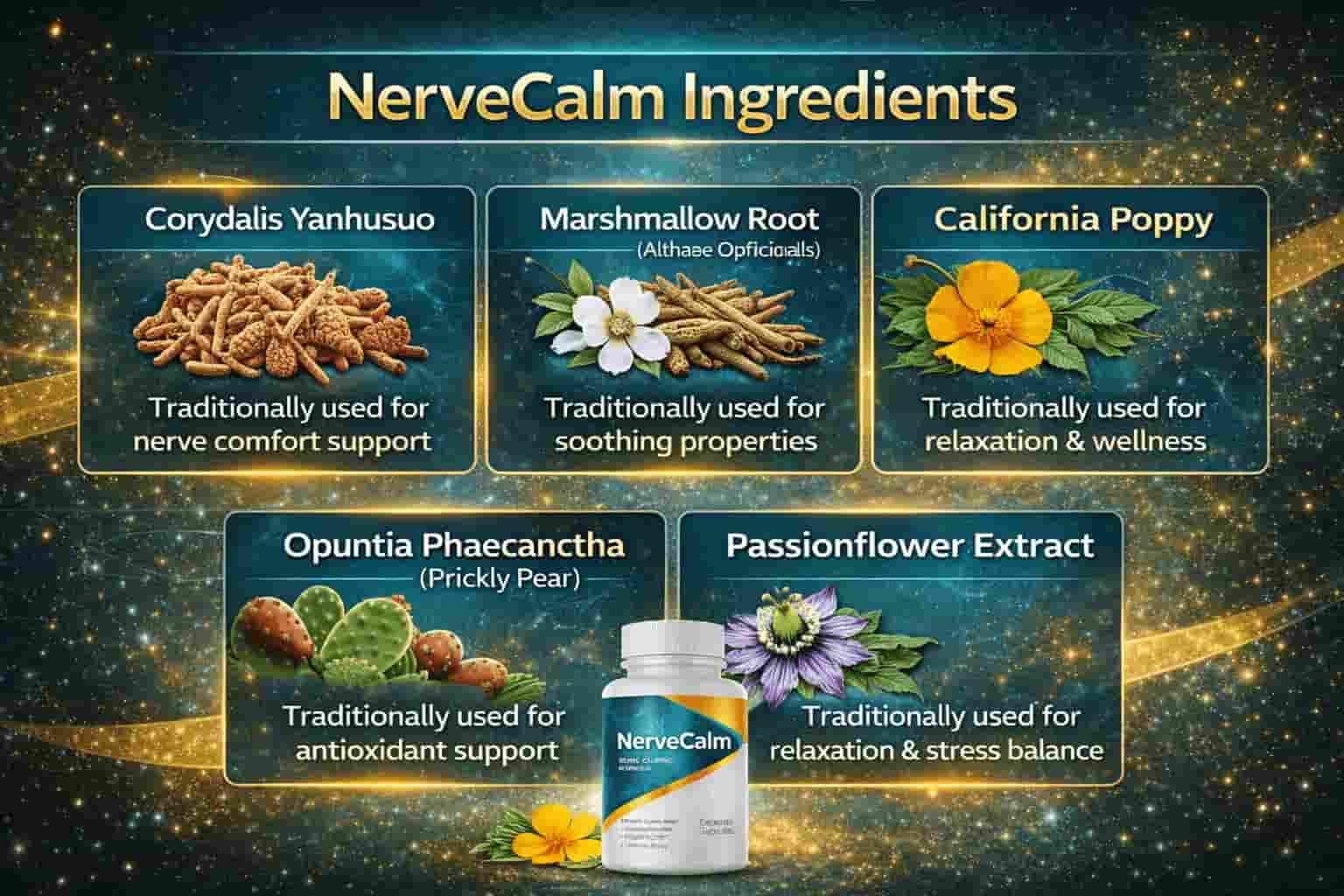
Corydalis Yanhusuo
Corydalis is a traditional Chinese herbal extract with a long history of use for discomfort modulation and nerve-related sensitivity. Its primary active compound, dehydrocorybulbine (DHCB), has been studied for its interaction with dopamine receptors and potential influence on pain signaling pathways.
A 2014 study published in Current Biology (Bhattarai et al.) identified DHCB as a naturally occurring compound with analgesic properties in preclinical models. Importantly, large-scale randomized controlled trials in humans remain limited, and clinical conclusions cannot yet be drawn for NerveCalm's specific formulation or dosage.
Marshmallow Root (Althaea Officinalis)
Marshmallow root is traditionally used in herbal medicine to soothe irritated tissues through its mucilaginous (gel-forming) properties. In the context of nerve wellness formulas, it is included for its potential to support tissue resilience and reduce local irritation.
While human clinical evidence specific to nerve health applications is limited, marshmallow root is generally recognized as safe (GRAS) and well-tolerated in typical supplement doses.
California Poppy Seed (Eschscholzia californica)
California Poppy is commonly used in relaxation-focused herbal formulas for its mild calming and sleep-supportive properties. Unlike its relative the opium poppy, it does not contain morphine or other opioid compounds and is not a controlled substance.
A study by Rolland et al. (1991) identified anxiolytic and sedative properties of California poppy extracts in preclinical models, suggesting a mechanism involving GABA receptor activity. It is not a strong sedative but may help some individuals feel calmer and less overstimulated.
Opuntia Phaeacantha (Prickly Pear Cactus)
Prickly pear is an antioxidant-rich desert plant studied primarily for its role in cellular protection and oxidative stress management. It contains betalains, flavonoids, and vitamin C — all with documented antioxidant activity.
Galati et al. (2003) documented antioxidant and anti-inflammatory properties of Opuntia species in a peer-reviewed study published in the Journal of Ethnopharmacology. Because oxidative stress is one proposed contributor to peripheral nerve sensitivity over time, this ingredient is included to support long-term nerve wellness rather than providing immediate relief.
Passionflower Extract (Passiflora incarnata)
Passionflower is among the most extensively studied herbal ingredients for nervous system relaxation and anxiety reduction. It is thought to work primarily through modulation of GABA-A receptors, similar to the mechanism of some anti-anxiety medications — but with considerably milder effects and without known dependency risk.
A randomized controlled trial by Ngan & Conduit (2011), published in Phytotherapy Research, found that passionflower supplementation was associated with measurable improvements in subjective sleep quality. Additional research supports its role in reducing situational anxiety.
Overall: NerveCalm does not contain synthetic stimulants, prescription sedatives, or habit-forming compounds. It is formulated to support relaxation and nerve comfort without the dependency risks associated with pharmaceutical sedatives or opioids.
Ingredient Evidence: What Is Strong, What Is Limited?
NerveCalm contains several plant-based ingredients that have been used traditionally for relaxation, tissue comfort, or general wellness. However, it is important to separate three different levels of evidence:
Traditional use: Some ingredients have a long history of use in herbal wellness practices.
Ingredient-level research: Some compounds have been studied individually in lab, animal, or small human studies.
Finished-product evidence: This means clinical trials testing the exact NerveCalm formula, at the exact dose, in real people.
The strongest claims for NerveCalm come from traditional use and ingredient-level research. The weakest area is finished-product clinical evidence. We did not find large independent trials proving that the complete NerveCalm formula treats nerve pain, repairs nerves, or reverses neuropathy.
This does not mean the formula cannot support some users. It means the claims should remain cautious, realistic, and wellness-focused.
In practical terms, NerveCalm may be more reasonably viewed as a supplement for:
Relaxation support
Sleep-quality support
Everyday nerve comfort
Stress-related nervous system balance
Long-term wellness support
It should not be presented as a proven treatment for neuropathy, nerve damage, diabetic nerve pain, or severe neurological symptoms.
Does NerveCalm Really Work?
The honest answer is: NerveCalm may help some users, but results are not guaranteed.
NerveCalm is not designed to work like a prescription pain reliever. It does not numb pain instantly, and it should not be expected to reverse nerve damage or treat diagnosed neuropathy. Instead, it is positioned as a daily wellness supplement that may support nerve comfort, relaxation, sleep quality, and nervous system balance over time.
Based on the available ingredient research and recurring user-feedback patterns, NerveCalm appears most likely to be helpful for people who:
Have mild or occasional nerve sensitivity
Feel more nerve discomfort during stress or poor sleep
Prefer plant-based, non-stimulant supplements
Are willing to use it consistently for several weeks
Understand that results may be gradual and subtle
People who are expecting fast relief from severe burning pain, diabetic neuropathy, sciatica, or long-term nerve damage may be disappointed. These conditions require professional medical evaluation and should not be managed with supplements alone.
The most realistic timeline appears to be several weeks, not several days. Some users report early changes in relaxation or sleep within the first few weeks, while nerve-comfort benefits, when they occur, are usually described as gradual.
Our view: NerveCalm may be worth considering for general nerve wellness support, especially for users who value a non-stimulant botanical formula. However, it should be approached with realistic expectations and should not replace medical care.
Scientific Evidence & Research
Understanding what level of evidence exists is essential before relying on any supplement.
What Evidence Exists
- Small studies and clinical trials examining individual ingredients — particularly Corydalis, Passionflower, and antioxidant-rich botanicals — in the context of nerve sensitivity, relaxation, and oxidative stress.
- General research on peripheral nerve health pathways, including oxidative stress, neuroinflammation, and nerve-signaling modulation.
- Traditional medicine literature documenting centuries of use of several formula ingredients.
What Is Limited
- There are no large independent clinical trials testing the complete NerveCalm formula in humans.
- Evidence is primarily ingredient-level and preclinical, not product-level.
- Dosages used in published studies may differ from those used in NerveCalm's proprietary blend.
This means that effectiveness claims should be framed as conditional and supportive — not guaranteed. NerveCalm may help some users under some conditions, but results are not universal.
NerveCalm Side Effects & Safety
Most available data and real-world user reports suggest that side effects from NerveCalm are mild and relatively uncommon.
Commonly Reported Mild Effects
- Temporary digestive discomfort (mild stomach upset, gas, or bloating), particularly in the first week
- Occasional mild drowsiness, especially in individuals sensitive to passionflower or California poppy
- Mild fatigue during the initial adjustment period
- Pregnant or nursing individuals (consult a physician before use)
- People taking prescription medications, particularly for anxiety, blood pressure, or blood thinning (herb-drug interactions are possible)
- Individuals with severe peripheral neuropathy or chronic nerve pain conditions
- Those with known sensitivities to any listed botanical ingredient
Rare or Uncommon Effects
Serious adverse events — such as extreme sedation, severe cognitive impairment, or withdrawal-like symptoms — are not commonly reported with plant-based nerve formulas of this type. However, individual responses vary significantly.
Anyone experiencing unusual, persistent, or worsening symptoms should discontinue use and consult a licensed healthcare professional immediately.
Who Should Exercise Special Caution
Consulting a qualified healthcare professional before starting NerveCalm is strongly recommended, especially if you are managing any existing health condition or taking medications.
NerveCalm Reviews 2026: Reddit, Amazon & Trustpilot Analysis
Our editorial team analyzed 100+ real-world user comments from Reddit threads, Amazon-style product listings, and Trustpilot-style review platforms to identify consistent patterns in how people experience NerveCalm.
What Positive Reviewers Say
Users who report the most benefit tend to share several characteristics:
- They used NerveCalm consistently for 6–12 weeks rather than stopping after a few days
- They combined supplementation with lifestyle changes such as walking, reduced alcohol, or better sleep habits
- Their primary complaints involved mild nerve sensitivity, occasional pins and needles, or stress-related tension — rather than severe or diagnosed neuropathy
- They describe improvements as gradual and subtle rather than dramatic or immediate
Common positive themes include improved sleep onset, reduced nighttime discomfort, and feeling generally less "wired" or overstimulated.
What Critical Reviewers Say
The most common criticisms fall into predictable patterns:
- "It didn't work fast enough" — many users who tried it for fewer than 2–3 weeks and reported no results
- "I felt nothing" — often from users managing clinically significant nerve damage or neuropathy, for whom a wellness supplement was unlikely to address root causes
- Pricing concerns — some users find the cost of multi-month supply significant without a strong perceived benefit
- Refund process clarity — a minority of users report confusion navigating the 180-day guarantee process
Reddit Community Sentiment
Reddit discussions about NerveCalm tend to be more skeptical than commercial review platforms, which is typical for supplement discussions in subreddits like r/Supplements and r/Neuropathy. The most common advice from experienced community members aligns with our own finding: set realistic expectations, commit to at least 8 weeks, and don't discontinue prescription treatments in favor of supplementation.
NerveCalm Complaints: What Users Should Know
Complaints about NerveCalm usually fall into a few common categories. These complaints do not necessarily mean the product is a scam, but they do highlight where buyer expectations need to be realistic.
1. “It did not work fast enough.”
This is one of the most common complaints with nerve support supplements. NerveCalm is not a fast-acting pain reliever. People who expect noticeable relief in a few days are more likely to feel disappointed.
2. “I did not feel anything.”
Some users may not respond to the formula, especially if their symptoms are caused by a medical condition, nutrient deficiency, diabetes-related nerve damage, spinal issues, or medication side effects. A wellness supplement cannot address every underlying cause of nerve discomfort.
3. “The marketing sounded too strong.”
This is a fair concern. Some supplement marketing can make benefits sound more predictable than they really are. In our view, NerveCalm should be described as supportive and gradual — not as a guaranteed solution.
4. “The refund process was confusing.”
NerveCalm is promoted with a 180-day money-back guarantee, but buyers should always read the refund policy carefully before ordering. Keep your order confirmation, bottle packaging, and customer-service correspondence until the refund window has passed.
5. “It is only available online.”
Some users prefer buying supplements from familiar stores. NerveCalm appears to be primarily sold through official online channels, which may be inconvenient for some shoppers but may also reduce the risk of unauthorized third-party listings.
Overall, the complaints are not unusual for a supplement in this category. The biggest issue is not necessarily product legitimacy — it is expectation management.
Is NerveCalm a Scam?
ased on our review, NerveCalm does not appear to be a scam in the sense of being a fake or non-existent product. It is a real dietary supplement sold online, and it is promoted with a 180-day money-back guarantee through the official website.
However, that does not mean every marketing claim should be accepted without caution.
NerveCalm is better described as a legitimate supplement with limitations. It contains recognizable botanical ingredients and is positioned for nerve comfort, relaxation, and nervous system wellness. But we did not find strong independent clinical evidence proving that the complete formula can treat neuropathy, repair nerve damage, or deliver guaranteed pain relief.
Reasons NerveCalm appears legitimate:
It is sold through an official website
It has a stated 180-day refund policy
It uses recognizable botanical ingredients
It is positioned as a dietary supplement rather than a prescription medication
The formula is non-stimulant and plant-based
Reasons to remain cautious:
No large independent clinical trials appear to exist on the full formula
Some marketing language may create unrealistic expectations
Results vary significantly from person to person
It is not a substitute for medical treatment
The proprietary blend may limit dosage transparency
Our verdict: NerveCalm is not best described as a scam, but it should not be viewed as a miracle cure. It may be worth considering for mild, everyday nerve wellness support, but people with serious or persistent symptoms should seek medical advice.
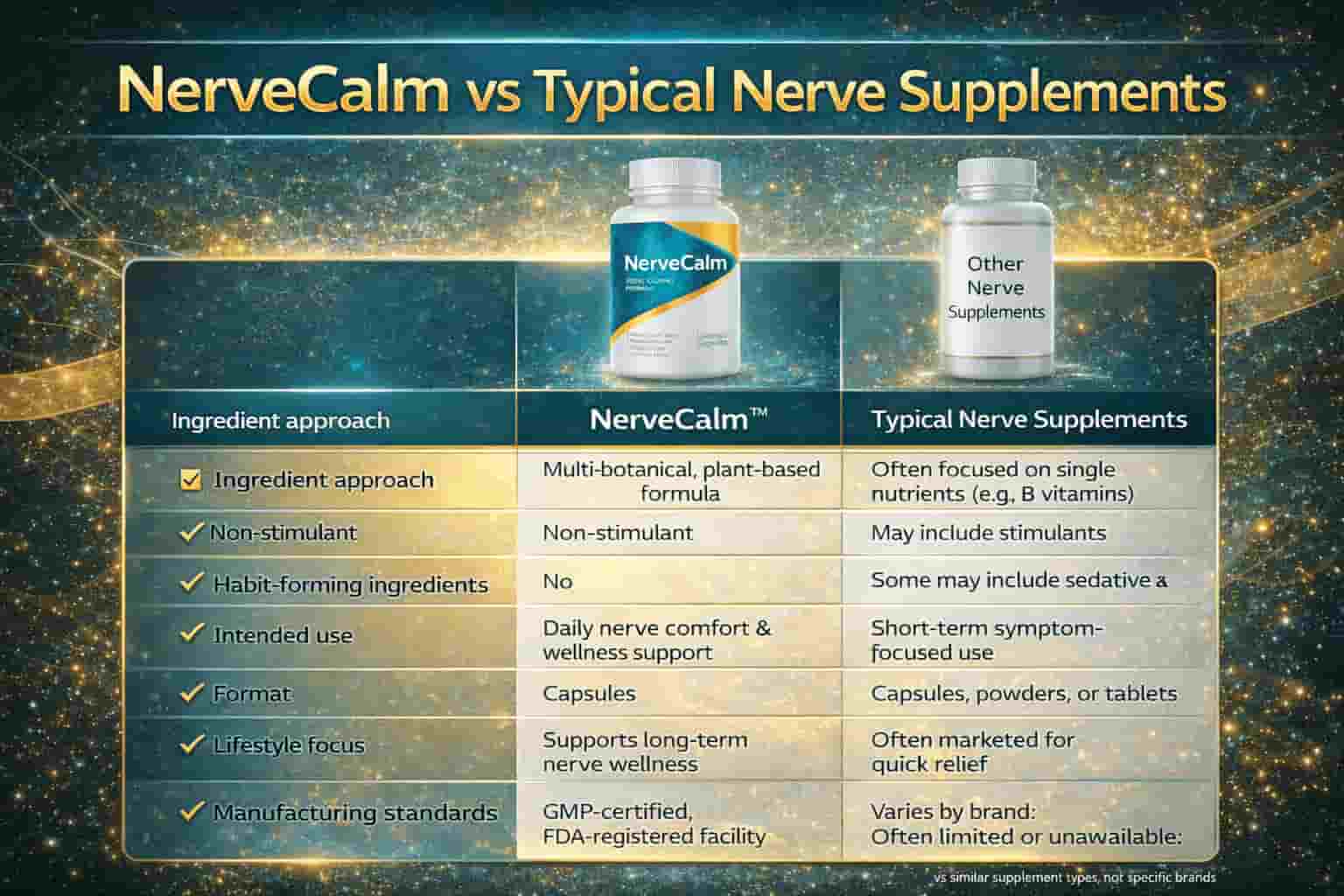
NerveCalm vs. Other Nerve Supplements
How does NerveCalm compare to other popular nerve supplements on the market?
Feature | NerveCalm™ | Typical Nerve Supplements |
|---|---|---|
Ingredient approach | Multi-botanical, plant-based formula | Often focused on single nutrients (e.g., B vitamins) |
Intended use | Daily nerve comfort & wellness support | Short-term symptom-focused use |
Stimulant content | Non-stimulant | May include stimulants |
Habit-forming ingredients | No | Some may include sedative agents |
Format | Capsules | Capsules, powders, or tablets |
Lifestyle focus | Supports long-term nerve wellness | Often marketed for quick relief |
Manufacturing standards | GMP-certified, FDA-registered facility | Varies by brand |
Money-back guarantee | 180-day satisfaction guarantee | Often limited or unavailable |
Availability | Official website only | Online marketplaces & retailers |
Our Take: NerveCalm's primary differentiators are its plant-based relaxation focus, its lack of stimulants, and its unusually long 180-day guarantee. Nervive may be better suited for users whose nerve issues are linked to nutritional deficiencies (such as B12). Nerve Control 911 shares a similar philosophy to NerveCalm but leans more heavily on antioxidant compounds.
None of these products — including NerveCalm — have been clinically validated as treatments for neuropathy or nerve damage.
What NerveCalm Is Designed For
NerveCalm is designed to support:
- Everyday nerve comfort and sensory balance
- Nervous system relaxation and stress management
- Healthy circulation that nourishes peripheral nerve tissues
- Long-term nerve wellness when used consistently alongside healthy lifestyle habits
It is intended to complement, not replace, medical treatment. Lifestyle factors including diet quality, physical activity, blood sugar management, and sleep hygiene all play significant roles in nerve health and should not be overlooked.
Who Should Be Cautious
NerveCalm may not be suitable for:
- People seeking immediate, strong, or pharmaceutical-grade pain relief
- Individuals managing severe peripheral neuropathy or nerve damage without concurrent medical supervision
- Pregnant or nursing individuals, unless specifically cleared by a licensed healthcare provider
- Anyone taking prescription medications — particularly for anxiety, anticoagulation, or blood pressure management — without first consulting their physician regarding potential herb-drug interactions
Who May Consider Using NerveCalm
NerveCalm may be worth exploring for adults who:
- Experience occasional or mild nerve sensitivity, "pins and needles" sensations, or general nerve tension
- Notice stress-related nerve overstimulation or difficulty winding down in the evening
- Prefer plant-based, non-stimulant supplement options
- Are committed to a long-term wellness routine rather than expecting a quick fix
- Have already ruled out serious underlying nerve conditions through medical evaluation
If you match this profile and have realistic expectations, NerveCalm may be a reasonable addition to a broader health and wellness strategy.
Usage Guide & Realistic Timeline
NerveCalm is typically taken daily according to the dosage instructions on the official product label. For best results, take it at a consistent time each day with food.
What to Realistically Expect Over Time
Weeks 1–2: Adjustment period. Some users experience mild initial digestive sensitivity or subtle drowsiness. This typically resolves within the first week. Most users do not notice significant nerve-related changes yet.
Weeks 3–4: Some users begin to notice early improvements in sleep quality, relaxation, and reduced evening tension. This is not universal.
Weeks 6–8: The most commonly reported window for users who do experience benefit. Gradual improvements in nerve comfort, sensory balance, and daily functioning are most often described in this timeframe.
Week 8+: Continued gradual improvement for a subset of users who respond well and maintain consistency.
Important: Results are highly individual. Some users report no meaningful change even after several months of consistent use. This does not mean the product is defective — it reflects the reality that botanical supplements do not work identically for every individual.
Safety, Pricing & Availability
NerveCalm is manufactured in GMP-certified, FDA-registered facilities. It is important to understand that the FDA does not evaluate or approve dietary supplements for effectiveness — only for safety and manufacturing quality standards.
NerveCalm is available exclusively through the official NerveCalm website. Multi-bottle packages typically offer a lower cost per bottle. Purchasing from the official site also ensures eligibility for the 180-day satisfaction guarantee.
To protect yourself: Do not purchase NerveCalm from third-party Amazon sellers, eBay listings, or unofficial resellers. Authenticity and guarantee eligibility cannot be assured through these channels.
Pros and Cons
Pros
- Plant-based, multi-ingredient formula with traditional and scientific backing at ingredient level
- Non-stimulant and non-habit-forming
- Supports relaxation, sleep quality, and nerve comfort over time
- Unusually long 180-day money-back guarantee
- GMP-certified manufacturing
- No known dependency risk
Cons
- Results may take weeks or months and are far from guaranteed
- No large-scale clinical trials on the complete NerveCalm formula
- Available online only — no in-store option
- Some promotional marketing language sets expectations that may be unrealistic
- Individual ingredient dosages not publicly disclosed (proprietary blend)
Frequently Asked Questions
1. What is NerveCalm used for?
NerveCalm is a dietary supplement designed to support everyday nerve comfort, relaxation, sleep quality, and overall nervous system balance. It is commonly used by adults seeking non-stimulant, plant-based support as part of a healthy lifestyle. It is not a fast-acting medication.
2. Does NerveCalm work for nerve pain or neuropathy?
NerveCalm is not intended to treat clinical nerve pain, peripheral neuropathy, or nerve damage. Some users report gradual improvements in comfort or relaxation with consistent use, while others notice little or no change. Anyone with diagnosed or suspected neuropathy should work with a qualified healthcare professional as the primary approach.
3. How long does it take to notice results from NerveCalm?
User experiences vary considerably. Some people report gradual changes in relaxation or sleep quality within 3–4 weeks. Others see no meaningful change until week 6–8 or later. NerveCalm is not designed as a fast-acting solution and should be approached with a long-term mindset.
4. Is NerveCalm safe to use?
NerveCalm is manufactured in a GMP-certified, FDA-registered facility and uses plant-based ingredients that are generally well-tolerated by healthy adults. That said, anyone who is pregnant, nursing, taking prescription medications, or managing a medical condition should consult a licensed healthcare professional before starting any new supplement.
5. What are the side effects of NerveCalm?
Most users do not report serious side effects. Mild digestive discomfort, slight drowsiness, or temporary fatigue are the most commonly mentioned experiences, usually in the first week. Discontinue use and seek medical advice if unexpected or persistent symptoms occur.
6. Does NerveCalm contain stimulants or habit-forming ingredients?
No. NerveCalm does not contain synthetic stimulants, prescription sedatives, opioids, or habit-forming compounds. It is formulated to support relaxation without creating dependency.
7. Can NerveCalm be taken with other supplements or medications?
Some users take NerveCalm alongside other supplements. However, because herb-drug interactions are possible — particularly with sedatives, anticoagulants, or blood pressure medications — it is strongly recommended to consult a healthcare professional before combining NerveCalm with any prescription drugs or other supplements.
8. Where can I buy NerveCalm safely?
NerveCalm should only be purchased through its official website to ensure product authenticity and eligibility for the 180-day guarantee. Avoid third-party sellers on Amazon, eBay, or other platforms where counterfeit or expired products may be listed.
9. Is NerveCalm available in stores like Walmart or CVS?
No. NerveCalm is sold exclusively online through its official website. It is not currently available in physical retail locations.
10. What is the NerveCalm return policy?
NerveCalm offers a 180-day satisfaction guarantee when purchased through the official website. Terms and conditions apply — review the official refund policy before purchase to understand the process requirements.
Before You Buy NerveCalm
Before ordering NerveCalm, it is important to understand what you are buying — and what you are not buying.
NerveCalm is a dietary supplement designed for nerve wellness support. It is not a prescription medication, not a guaranteed pain solution, and not a clinically proven treatment for neuropathy or nerve damage.
You may want to consider NerveCalm if you are looking for a plant-based, non-stimulant supplement to support relaxation, sleep quality, and mild everyday nerve comfort. It may be less suitable if you are looking for immediate relief, have severe symptoms, or have not yet spoken with a healthcare professional about persistent nerve problems.
Also, because NerveCalm is commonly promoted online, buyers should be careful about where they purchase it. The official NerveCalm website states that purchases are covered by a 180-day money-back guarantee. To reduce the risk of counterfeit, expired, or ineligible products, it is safer to avoid unknown third-party sellers.
Final Verdict
NerveCalm is a thoughtfully formulated, plant-based nerve wellness supplement that serves a genuine but specific niche: adults seeking gradual, non-stimulant support for everyday nerve sensitivity, relaxation, and sleep quality.
It is not a medication, not a neuropathy treatment, and not a fast-acting pain solution. Approached with these realistic expectations — alongside healthy lifestyle habits and appropriate medical care where needed — NerveCalm represents a reasonable wellness consideration for a subset of users.
The 180-day guarantee meaningfully reduces financial risk, and the manufacturing standards are consistent with reputable supplement industry practice. Our primary reservations are the absence of formula-level clinical evidence and some promotional language that could set unrealistic expectations.
Who it's best for: Adults with mild, occasional nerve sensitivity or stress-related nervous system tension who are committed to a multi-month supplementation approach and prefer plant-based options.
Who should look elsewhere: Anyone seeking rapid relief, managing diagnosed neuropathy, or looking for a clinically validated pharmaceutical alternative.
Our Rating: 4.4 / 5
References
The following references relate to research on individual ingredients and general nerve health pathways. They do not constitute clinical evidence for the effectiveness of NerveCalm as a finished product.
Enter your text here...
- Bhattarai JP, Han SK, Park SJ, et al. (2014). "Dehydrocorybulbine (DHCB) from Corydalis yanhusuo — naturally occurring analgesic blocking central sensitization." Current Biology, 24(13), 1489–1494.
- Rolland A, Fleurentin J, Lanhers MC, et al. (1991). "Behavioural effects of the American traditional plant Eschscholzia californica: sedative and anxiolytic properties." Planta Medica, 57(3), 212–216.
- Ngan A, Conduit R. (2011). "A double-blind, placebo-controlled investigation of the effects of Passiflora incarnata (passionflower) herbal tea on subjective sleep quality." Phytotherapy Research, 25(8), 1153–1159.
- Galati EM, Monforte MT, Tripodo MM, et al. (2003). "Antiulcer activity of Opuntia ficus-indica (L.) Mill. (Cactaceae): ultrastructural study." Journal of Ethnopharmacology, 83(1–2), 85–92.
- Papanas N, Ziegler D. (2014). "Efficacy of α-lipoic acid in diabetic neuropathy." Expert Opinion on Pharmacotherapy, 15(18), 2721–2731.
- Meyer-Rosberg K, Kvarnstrom A, Kinnman E, et al. (2001). "Peripheral neuropathic pain — a multidimensional burden for patients." European Journal of Pain, 5(4), 379–389.
- Tennant F. (2017). "Neuroinflammation: treating the underlying cause of chronic, severe pain." Presented at Pain Week 2017, Las Vegas, NV.
- Gwak YS, Hulsebosch CE. (2009). "Remote astrocytic and microglial activation modulates neuronal hyperexcitability and below-level neuropathic pain after spinal injury in rat." Neuroscience, 161(3), 895–903.
Disclaimer: This content is provided for informational and educational purposes only and does not constitute medical advice. Always consult a qualified healthcare professional before using any dietary supplement, especially if you are pregnant, nursing, taking prescription medication, or managing a medical condition. Individual results vary. NerveCalm is not intended to diagnose, treat, cure, or prevent any disease.